FRESH FACE
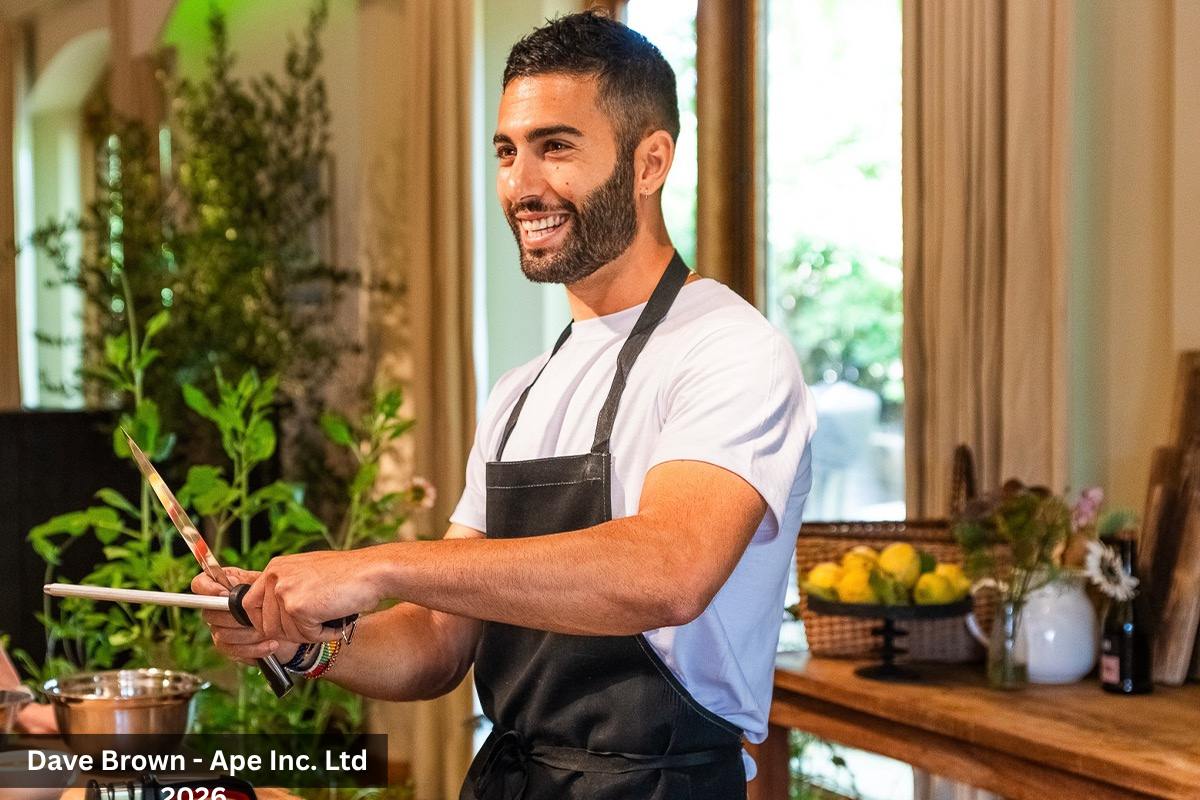
Francesco Mattana is one of the new breed of young chefs, using social media platforms and the online universe to introduce a fresh generation to the joys of Italian cuisine. Hailing from Sardinia, he’s also launched a book, packed with over 90 authentic recipes that are simple but gorgeously effective.
And when it comes to flour, Mattana understands that it is the foundation of everything, with a massive impact on the dough’s structure, texture and flavour.
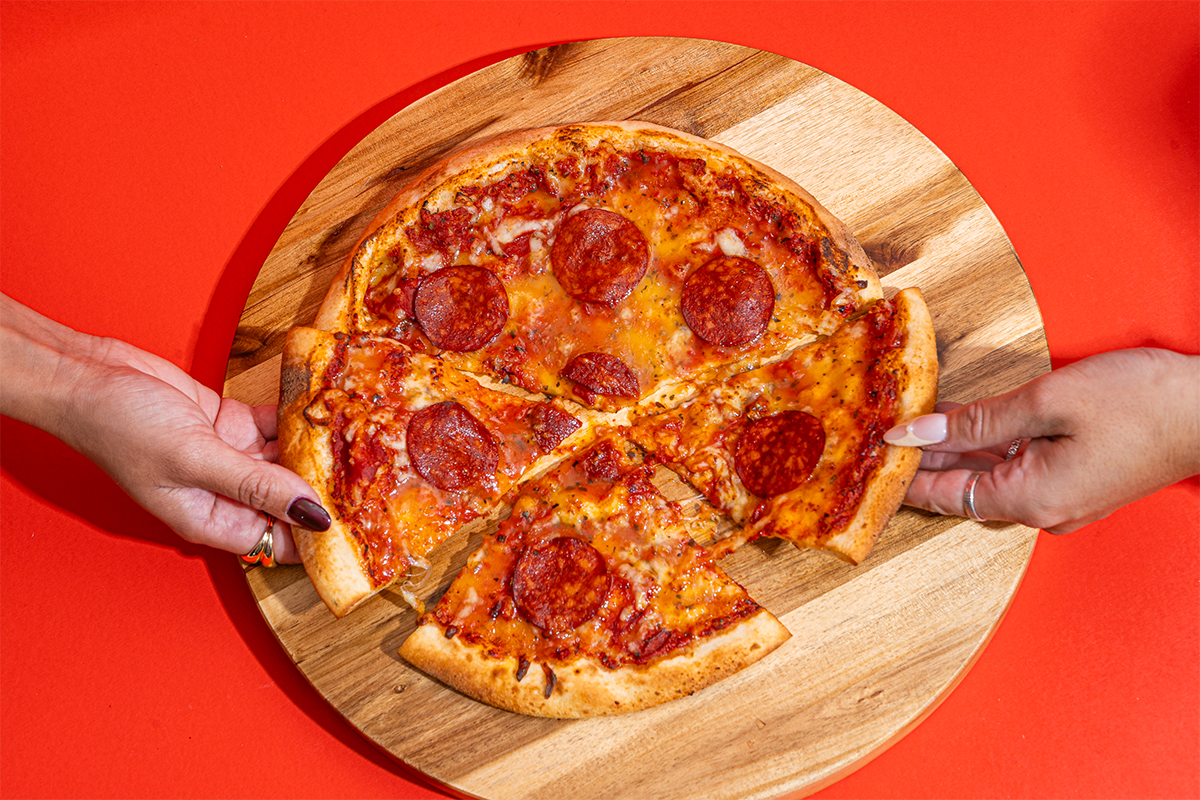
“The protein level, milling process and how the flour absorbs water all influence the final crust and crumb. I try and choose different types to achieve a combination of good gluten strength with wholemeal and less refined flours for a great aroma and flavour! Consistency and understanding how the flour behaves during fermentation are key to success. So, I experiment with new recipes for different styles, whether it’s a light and fluffy Neapolitan or golden crispy crust like a Sardinian pizza.”
When it comes to trends, he’s loving the pasta markers, pizza chefs, bakers and home cooks growing more interested in specialised and artisanal flours.
“We are now enjoying the exploration of more ancient grains and different wheat varieties. When before, a bread or pizza dough was simply made from one type of flour, blending is becoming popular to achieve that perfect balance.”
ENVRIONMENTAL CONCERNS
This outlook is reflected in the modern view of flour, with it now considered a hugely versatile ingredient – especially in Italian kitchens.
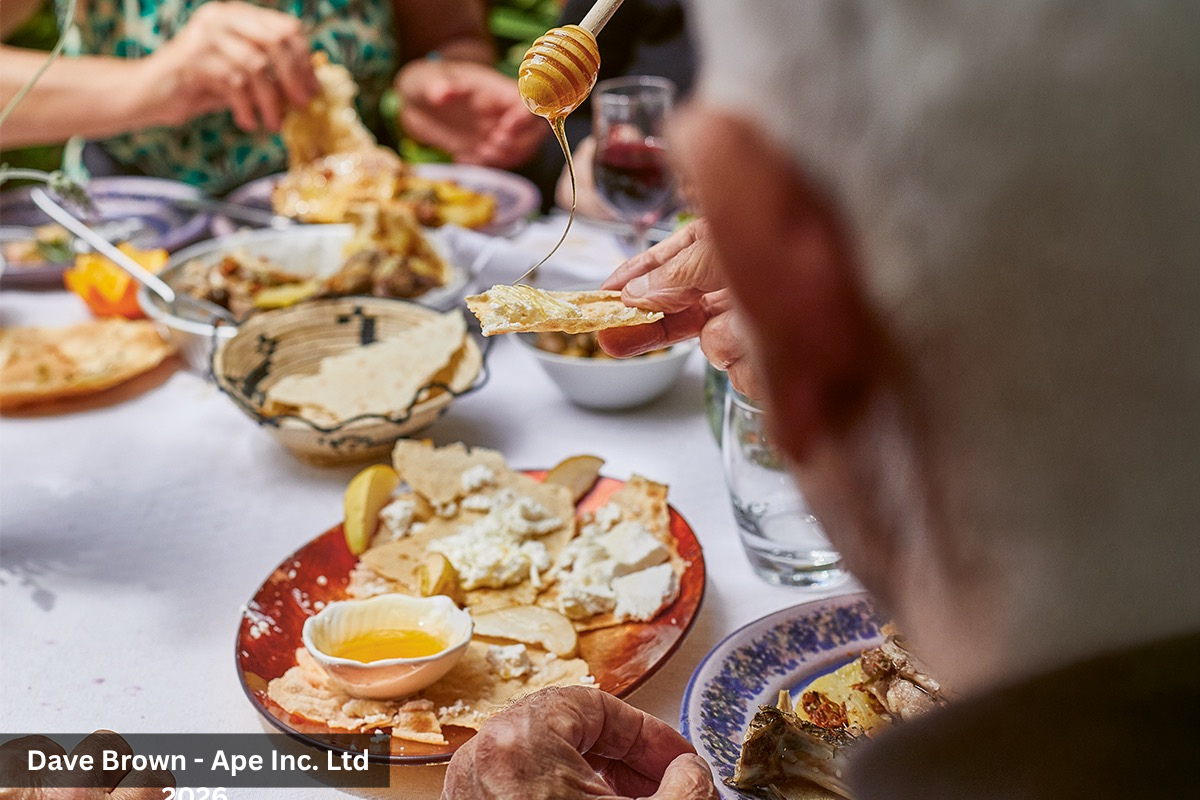
“It can act as a structure builder, thickener, coating, binder, fermentable base like impasto madre (sourdough), biga or poolish. But, of course, it’s still used for pizza, pasta, bread, pastry, sweet baking or even as a finishing dust for shaping dough... you name it! One of my favourite dishes made using flour is Mazza Frissa, a traditional, rich Sardinian offering from the Gallura region. You simmer fresh cream (specifically sheep’s cream in traditional recipes), adding salt and slowly stirring in semolina until it thickens into a smooth, creamy and sometimes buttery consistency – serve with a drizzle of honey on top.
Mattana uses a variety of flours – here are his favourites:
- Manitoba
- Tipo 00 & 0 & 1
- Rye flour
- Semolina
- Semolina rimacinata
“It’s important that operators consider protein content, water absorption, final textures and the flavour profile of the dough – and how the flour performs with their fermentation method, depending on what kind of yeast they are using. I have made the same dough in different places around the world and it always reacts in different ways. Remember the environment you are in – an important ingredient that often isn’t considered.”
And it’s promising to be a big year for Mattana. “I’m most excited about my new cookbook, Eat Like A Sardinian, Live to 100. We have also launched an online Italian cookery school, which we are very proud of. The classes are live and interactive.
I will also be doing demonstrations at UK festivals, plus filming recipe videos for our social channels.”
And if his 913k followers on Instagram [our_cookingjourney] tell us anything, it’s a following worth joining!
BOXOUT
A NEW CHAPTER
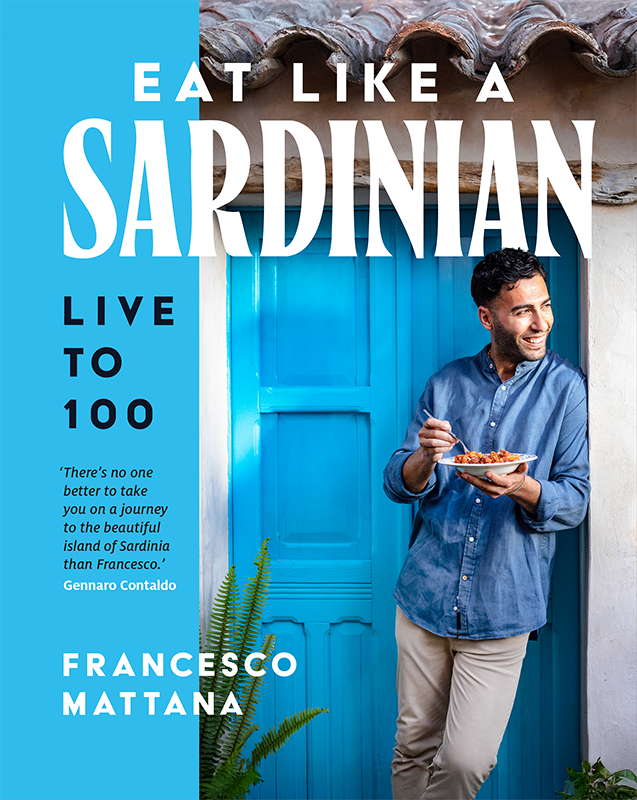
Eat Like a Sardinian by Francesco Mattana is published by Murdoch Books, £22. Visit murdochbooks.co.uk
All article photos © Dave Brown - Ape Inc. Ltd 2026