RICH IN LIMESTONE
Rosé is a fascinating topic for any modern connoisseur. For a long time seen as a middle ground between white and red, it had an informal reputation, with little attention given to origin or stylistic identity. It was associated with easy, seasonal drinking rather than a specific place or grape variety. But today that has all changed!
“People are asking where it comes from, what grape is used and how it’s made,” said Rita Virdis, export manager at La Genisia. “What we see now is a genuine interest in rosé as a category in its own right.” And two prominent players offer different expressions of the same grape and the same territory.
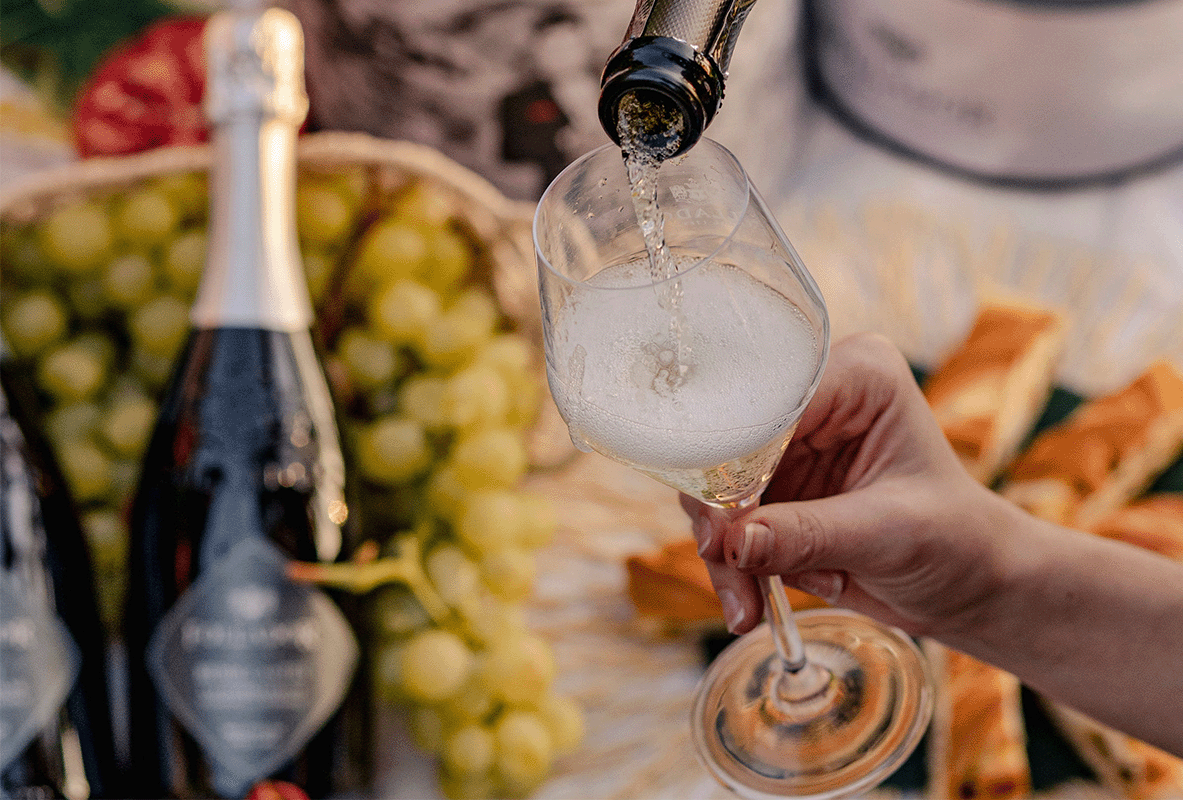
“Our Classese Rosé reflects a new vision for Oltrepo sparkling wine. Rather than comparing ourselves with Champagne or other traditional-method bottles, our goal is to express what makes our area of Lombardy unique: freshness, verticality, salinity and a strong gastronomic character, all linked to our limestone-rich hillside vineyards. A wine that is contemporary and Italian for its elegance.
“The still Pinot Noir Rosato follows the same philosophy. It is not conceived simply for summer but as a wine with freshness, texture and versatility. Ultimately, we believe our strength lies not in following established styles but in offering a clear identity and strong connection to place of origin.”
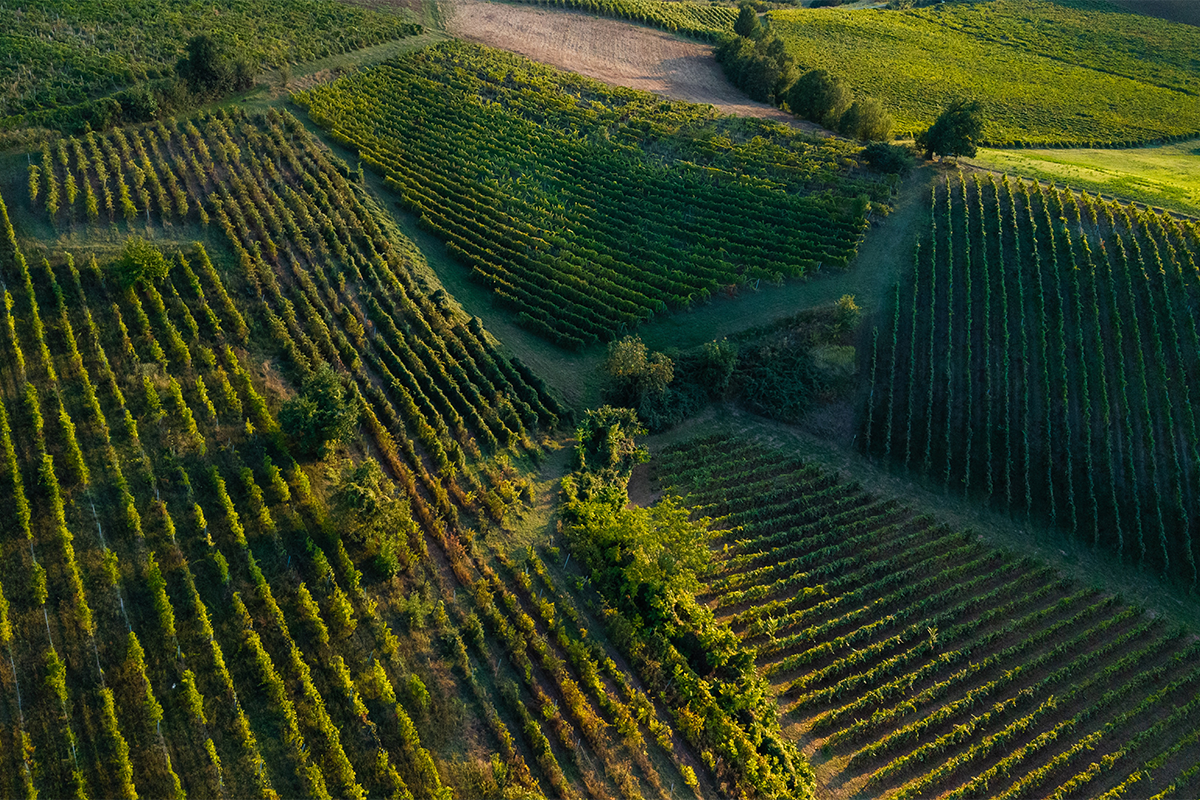
Both wines are made from Pinot Noir – which is of course a highly respected variety in the UK and around the world. What makes the La Genisia approach unique is the territory behind it, with Oltrepo Pavese considered Italy’s historic home of Pinot Noir, yet relatively undiscovered internationally. It’s no surprise that it’s a vineyard with such a storied reputation, considering its varied landscape near the majestic Apennine Mountains.
IN THE ZONE
While Italian food is undergoing an impressive renaissance in the UK, the same can be said for the drinks sector. Consumer demand indicates curiosity around different regions, with a penchant for lesser-known names if the taste is authentic.
“For us, that’s interesting,” continued Virdis. “A lot of the work we do happens before the wine even exists – zoning, vineyard selection and understanding each parcel. In the glass, it becomes fresh and drinkable but the complexity is in how it’s built.”
While La Genisia products are not yet present in the UK market, the business believes its wines will appeal to consumers and professionals seeking authenticity, provenance and a genuine sense of place.
“We are not looking for just distribution. We want partners who enjoy building something over time. Importers, restaurants and merchants who enjoy explaining wines – not just listing them. Businesses that have an insight into wines that are not yet fully ‘known’, but still have something to say.
“The UK is also a place where wine is communicated well, which makes it very attractive for us. Great wines begin with great places. Oltrepoo Pavese is still relatively unknown in many international markets, so education and communication have become as important as commercial distribution.
“For decades, the territory contributed significantly to the development of Italian sparkling wine, yet it rarely communicated its own identity directly. What we are presenting reflects a new generation of producers who wish to place the territory itself at the centre of the conversation. Through long-term zoning studies, precision viticulture and careful vineyard selection, our objective is to express the diversity and potential of Oltrepo Pavese in a more transparent and authentic way.”
THE AUTHENTIC CHOICE
With considerable pressure across the industry, there is an increased sense of competition and standardisation of the offer, as producers and retailers meet increasingly price-sensitive demand. But curiosity around inspirational wine continues unabated.
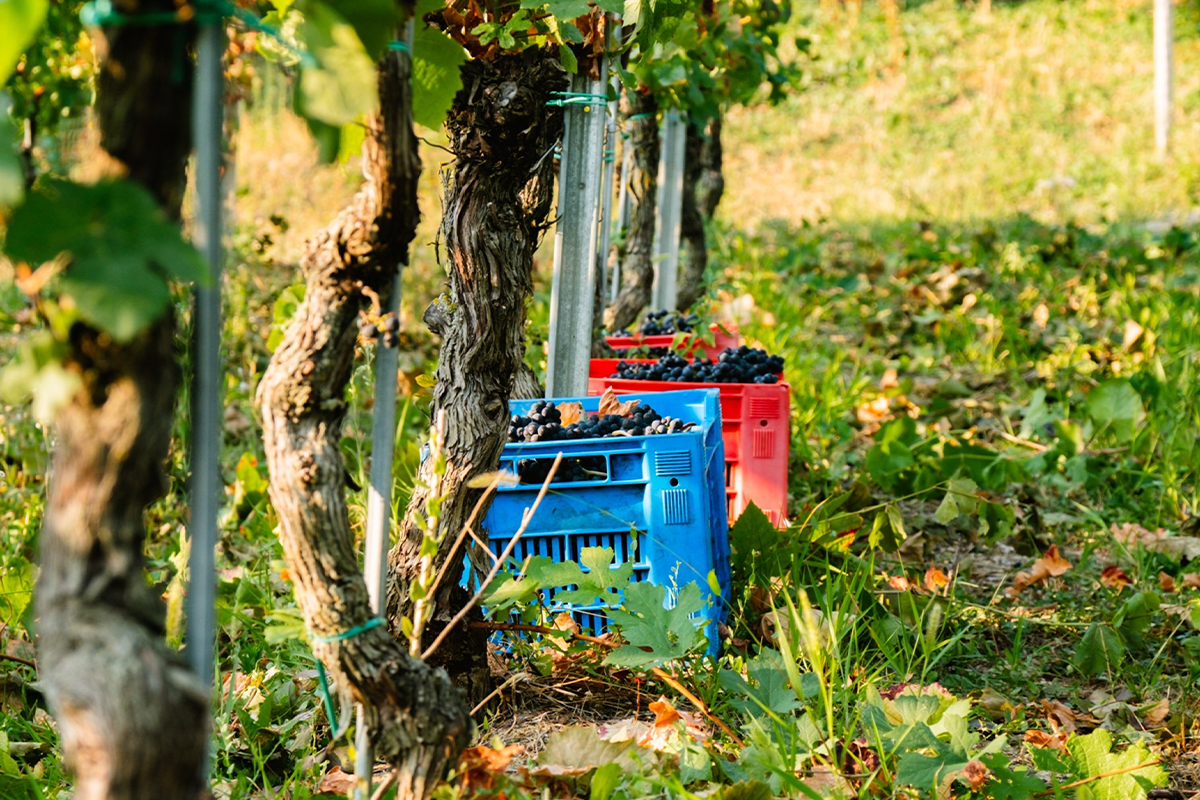
“In this respect, Italy is in a strong position. The extraordinary diversity of our landscapes, climates, soils and traditions mean that wine has an almost unique ability to offer distinctive regional expressions. This diversity has always been one of our greatest advantages.
“And we don’t see any competitors. A consumer choosing a bottle of rosé or sparkling wine in London today might be considering something from Provence, Champagne, England, Spain or Italy at the same time. For that reason, we believe success depends less on comparison and more on authenticity.
“Provence is still the reference point and that will not change overnight. But Italy is very strong in rosé. For example, in the south, like Puglia, it has a long tradition as a still wine – often quite expressive and tied to native grapes.
“In the north, it is more closely associated with sparkling wine, especially where Pinot Noir plays a role, as in Oltrepo Pavese. Italy doesn’t really offer one rosé style – it offers many. And that’s the opportunity. Not to copy Provence but to showcase diverse expressions of rosé with strong local identity,” concluded Virids.
NO COMPROMISE
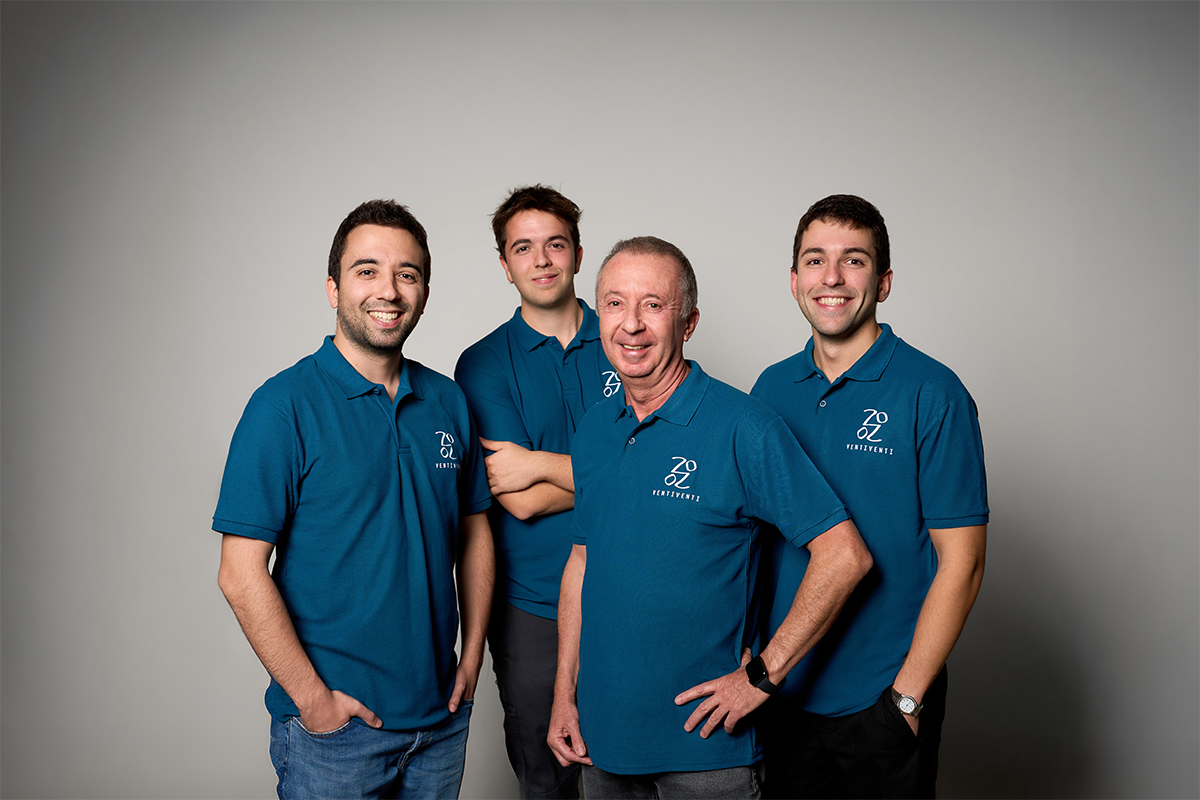
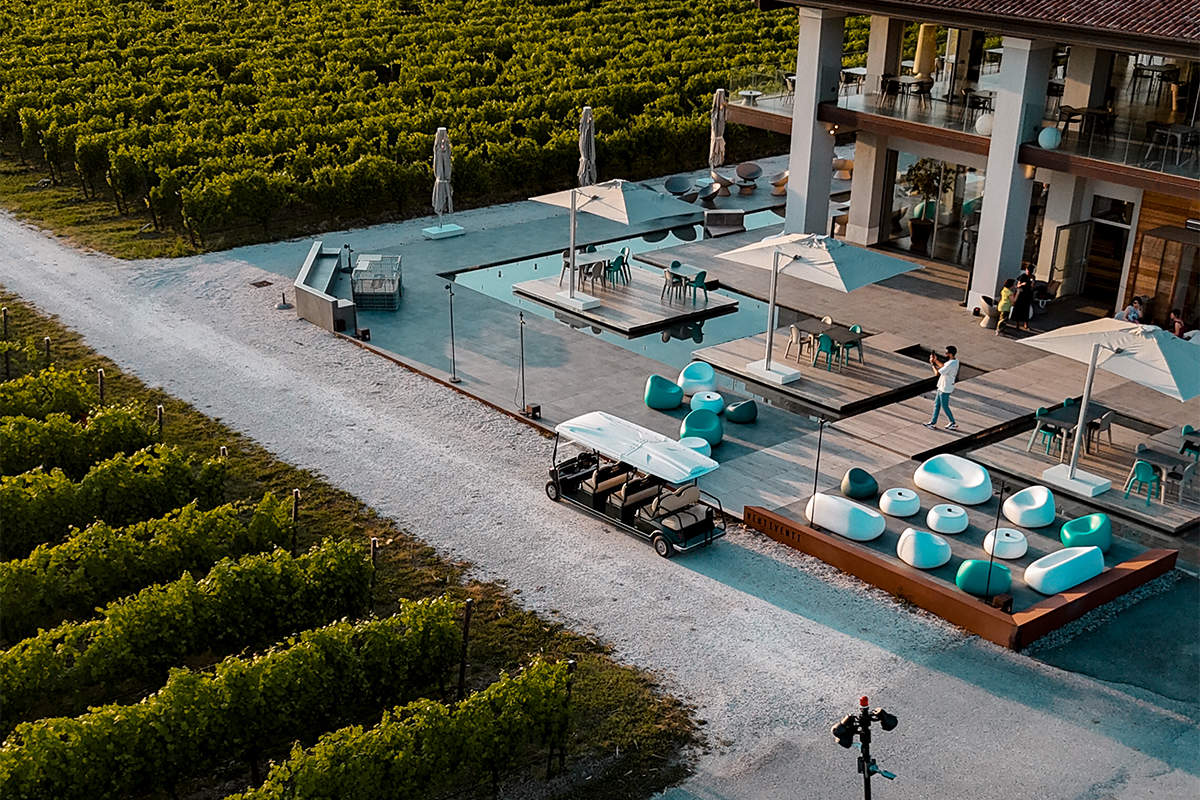
Another exciting player in the Italian rosé sector is Cantina Ventiventi. A young, family winery with a clear identity based in Modena, it only works with grapes from its own vineyards, with a strong focus on organic production, sustainability and precision in the cellar.
“Our ambition is to offer a new expression of Emilia: wines rooted in our territory but interpreted with freshness, elegance and a contemporary approach,” said Riccardo Razzaboni, export manager and owner at Cantina Ventiventi.
“One element that helps us remain competitive is our full independence as a winery. The grapes surround the cellar and we manage the whole process internally, giving us full control over quality and costs. We guarantee value without compromising the identity or precision of the products in any way.”
It’s a winery with particular interest in the UK market, which is so open to contemporary styles with a strong identity.
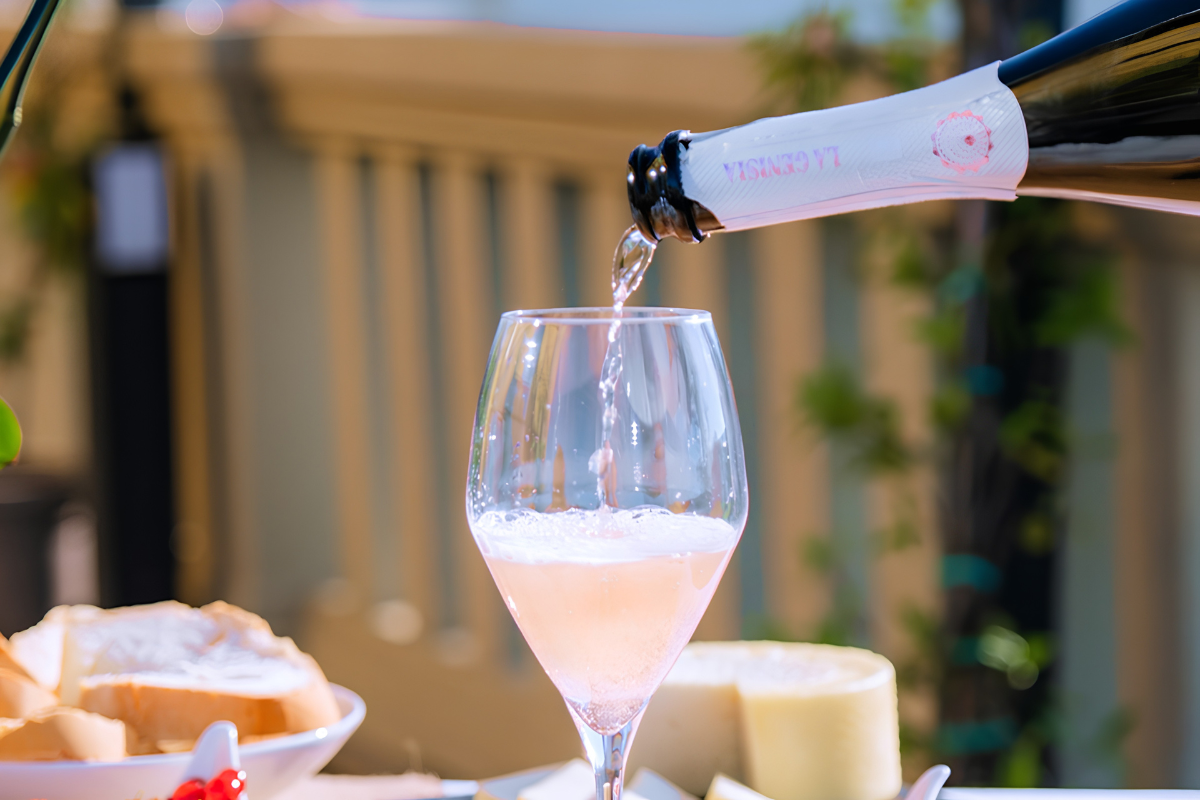
“Our Ventiventi Rosé is made with 100% Lambrusco di Sorbara, a native Modenese grape with natural acidity, freshness, minerality and moderate alcohol. Through the traditional method, we add elegance and structure while keeping the wine vibrant, food-friendly and deeply connected to our territory.”
ELEGANTLY MODERN
The trend towards fresh, mineral, convivial and easy to enjoy wines doesn’t need to compromise on persistence and elegance. The key phrase is ‘gastronomic’, while gaining space alongside the richer styles already associated with Italy.
And exporting is a new and exciting path for Cantina Ventiventi.
“We started working with James Nicholson Wine, covering both Northern Ireland and the Republic of Ireland,” continued Razzaboni. “For the rest of the UK, we are in advanced discussions with a potential importer that’s very strong in the HoReCa sector. We will reveal all once the partnership is confirmed!”
For a family winery, choosing the right partners is essential. Importers, restaurateurs, communicators and specialists who understand the business philosophy, alongside a long-term vision.
“We approach the UK market with humility, as we still have much to understand about it. However, I think Italian wines are always extremely attractive because of their diversity, regional identity and ability to offer something different. This is also the direction we follow at Ventiventi – starting from local grapes such as Lambrusco di Sorbara but presenting with a modern, elegant and gastronomic approach.
“I think Provence rosé is certainly strong and well recognised but there is growing space for Italian rosé with their own distinctive, territorial identity. While being seen as convivial and easy, they also combine pleasure and identity. In our Ventiventi Rosé, we keep the character of both Lambruscos and rosé wines, while adding structure and depth through traditional methods,” concluded Razzaboni.