FRESH ZIP
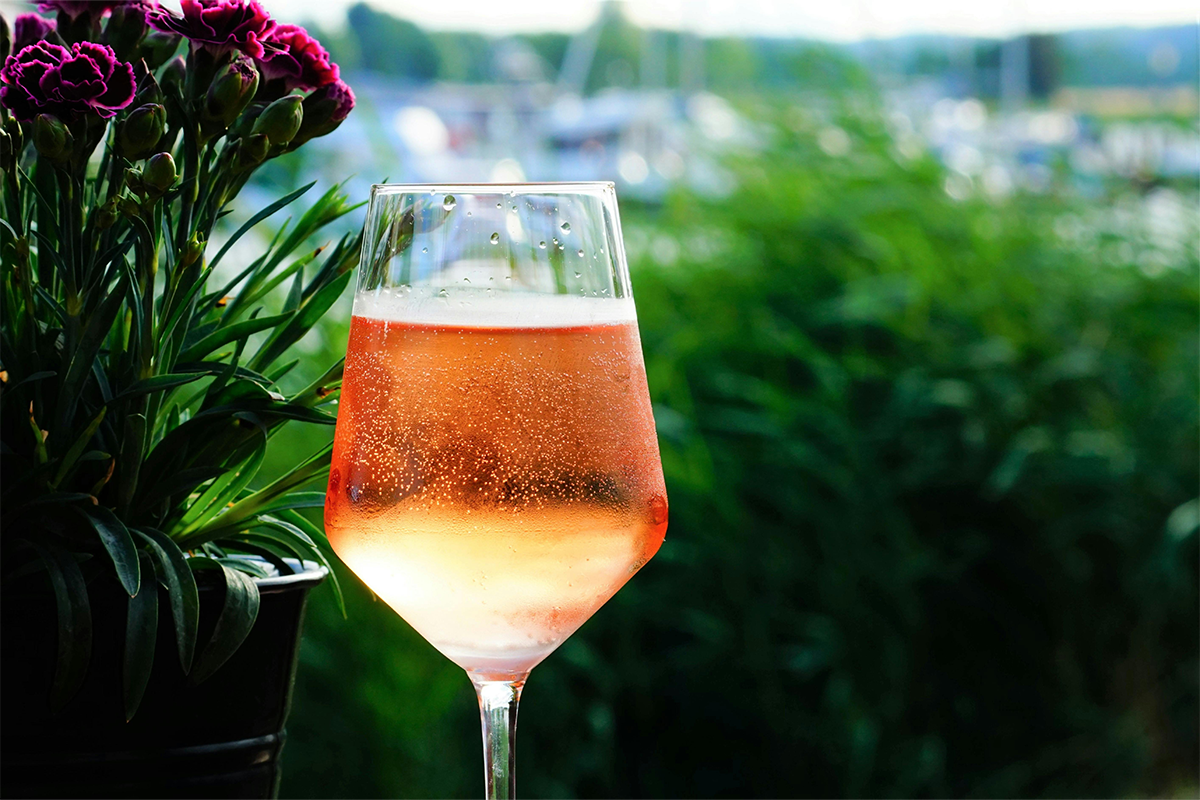
Once the temperature hits 20C in the UK, rosé sales soar. The first warm-weather weekend is enough to send customers reaching for bottles of pink, says Waitrose. But the UK love affair is growing all year round. The latest report from the Wine and Spirit Trade Association (WSTA) shows rosé sales rising 5% in value to £882m in the year to 2026 – proof that pink wine is no longer just a summer fling.
Italy can take its place not only in the sun, as it has an extensive pink portfolio. There’s a rosato for all occasions and each of Italy’s 20 wine-producing regions has enticing styles to bring to the table.
Pale Provençal rosés may have been trailblazers for the pink category but rosato has the edge. Its higher acidity makes it especially good with Mediterranean vegetarian cuisine.
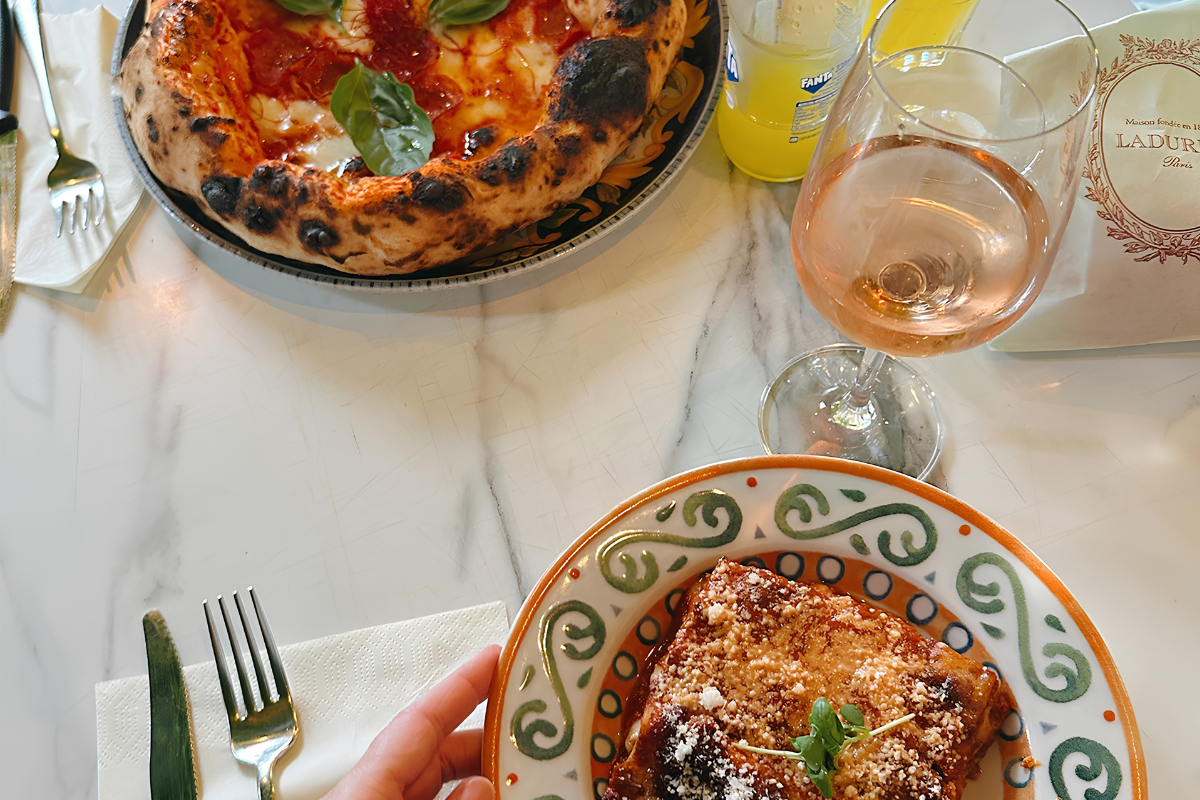
This extra zip of freshness works well with fuller-flavoured dishes. A chilled glass of rosato can cut through the richness of creamy pasta, such as cacio e pepe and macaroni cheese. Rosato is the go-to for aubergine Parmigiana, pizza, vegetable lasagne, fried mozzarella balls and gorgonzola risotto. These wines can cope with the high acidity of salad dressings and tomato-based dishes.
Many Italian regions showcase their native grapes, as well as blending with international varieties. Tuscany, Sangiovese – the grape of Chianti and Brunello – produces wine with cherry flavours and a vibrant acidity. In Veneto, they use Corvina – known for Valpolicella – for raspberry and wild strawberry flavoured rosato, while Puglia and Sicily use Negroamaro and Nero d’Avola, respectively, to create deeper-coloured rosato with dark fruit flavours and a little more body and spice.
COLOUR BLIND
People can be wary of Italian rosato, believing the darker the colour, the sweeter the wine, which is not the case. This deeper pink is down to a short maceration – after crushing, grape skins soak with the juice for a few hours – before pressing and the wine being fermented to dry. This process extracts more flavour and texture, adding to the structure.
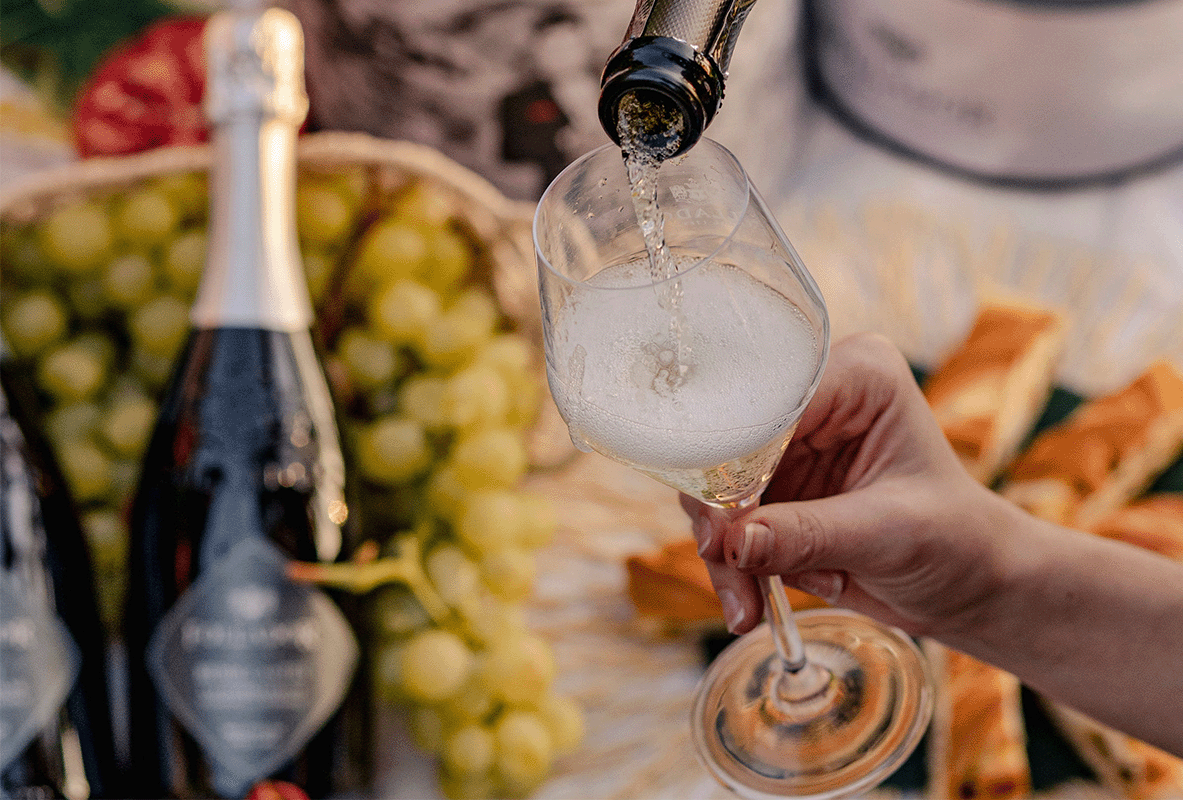
Italy is strong when it comes to sparkling aperitivi, too. Pinot Nero (pinot noir) is the black grape variety used to make Franciacorta rosé. This traditional-method sparkling wine from Lombardy is more than a match for Rosé Champagne. It can be aged for a minimum of 24 months on the lees for non-vintage, 30 months for vintage and 60 months for the reserva.
For those who want something off dry and fruitier, Extra dry Rosé Prosecco has fast become a go-to since the appellation was approved in 2020. It’s made primarily from Glera with a small percentage of Pinot Nero and is a great brunch choice, plus it can be enjoyed with dessert.
Rosato from the Italian regions:
Veneto
- Bardolino Chiaretto DOC: Highly regarded fresh, fruity rosato made from Corvina, Rondinella and Molinara grape varieties that are used to produce Valpolicella. It’s a lighter colour with strawberry, floral notes and a fresh minerality – a result of the volcanic and alluvial soils where it grows east of Lake Garda.
Pair with antipasti, salads of burrata, tomato and basil and light veggie pasta dishes.
- Rosé Prosecco DOC Extra Dry: An off dry light fizz that can contain between 12-17g sugar per litre, making it suitable all the way through the meal, from aperitivo to dessert.
Pair with spicy dishes or desserts.
Abruzzo
- Cerasuolo d’Abruzzo DOC: from the central east coast is made using the region’s signature grape, Montepulciano. Darker in colour, structured and complex, with cherry and savoury notes.
Pair with tomato-based vegetable pastas and pizza, just as you would Montepulciano reds.
Puglia
- Salice Salento DOC: is a prominent appellation. The region is famous for its rosato made from Negroamaro. These wines have great fruit concentration.
Pair with Mediterranean grilled vegetables and spiced dishes.
Trentino-Alto-Adige
- Trentino DOC, Alto Adige AOC and Vigneti delle Dolomiti IGT: produce rosato blends from lesser-known indigenous grapes Lagrein and Schiava blended with some Pinot Nero, which creates rosés that are super food friendly. In the northern German-speaking regions rosato is called kretzer.
Pair with tomato-based salads, creamy dishes and cheeses.
Tuscany
- Toscana IGT, Carmignano DOCG and other regional appellations. There are 100% Sangiovese rosati, or blends with Caniaolo, Merlot, Syrah and Cabernet Sauvignon. Carmignano DOCG produces Vin Ruspo, a distinct rosato that’s more structured. It can be a blend of Sangiovese, Merlot and Cabernet Sauvignon.
Pair with ribollita, tomato-based bruschetta, aubergine parmigiana, roasted vegetable salads and lasagne.
Sicily
- Sicilia DOC, Etna DOC, and Terre Siciliane IGT
The largest island in the Mediterranean makes refreshing rosato from Nero d’Avola Frappato and Syrah, plus Nerello Mascalese grown mainly on Etna.
Pair with caponata, arancini, tomato-based pizza and soft cheeses.
How to sell rosato:
- Explain how it pairs well with plant-based dishes, due to refreshing acidity and fruity flavours.
- Serve rosato chilled but not so cold to mask the fruity flavours.
- Dispel the myth that darker rosato is sweet but dry and the darker colour gives them more flavour and structure.
- Outline that rosato comes in many styles and how it’s better value compared to heavily marketed, more expensive Provençal brands.
 |
By Melanie Leyshon DipWSET, a wine and travel journalist. She writes for BBC Good Food, Olive and Sainsbury's magazine and as LadySips on Substack. |