
TOUCH OF FINESSE
Try saying Conegliano-Valdobbiadene. It’s a mouthful, even before you’ve had a sip from this DOCG. Along with Asolo DOCG, it produces some of the most prestigious Prosecco in the Veneto region.
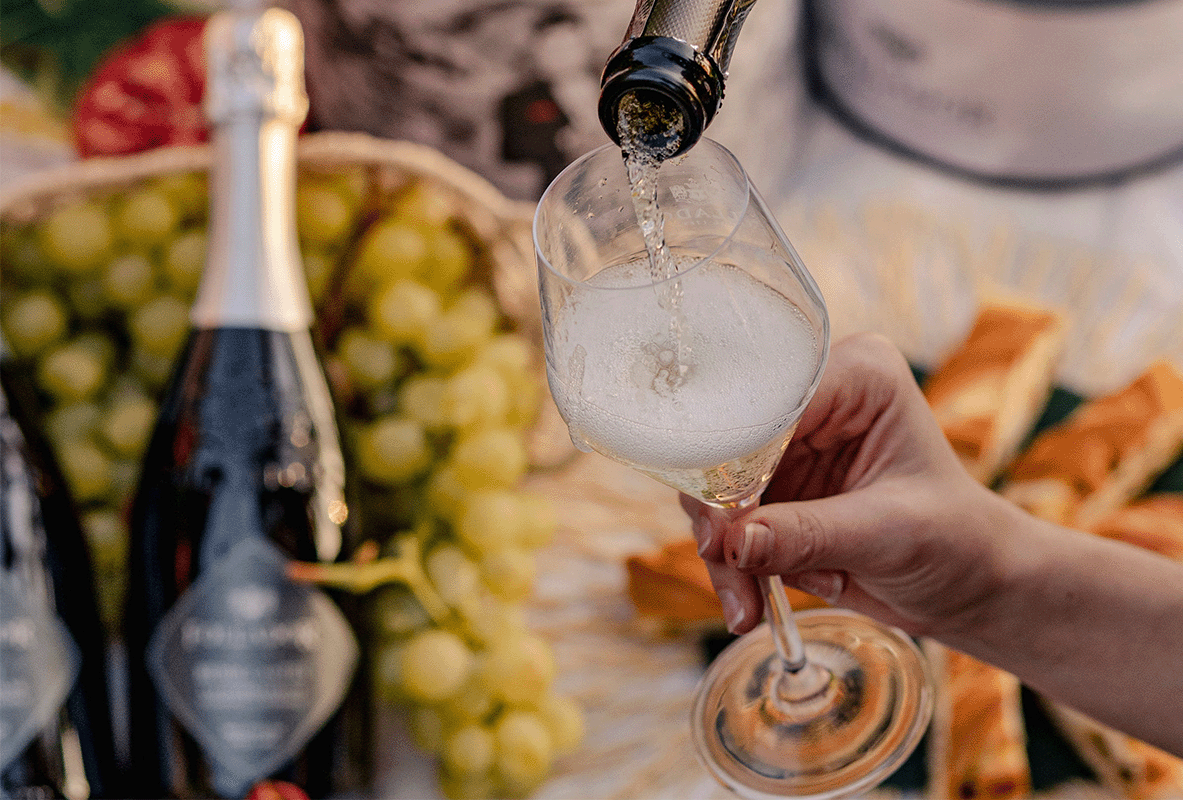
There’s no denying that entry-level Prosecco DOC is a runaway success. The UK is the second-largest global market for this fizz after the US. Fresh, fruity and excellent value, it’s easy to see why it has become the go-to for everything from aperitifs and brunches to parties and weddings.
In 2025, 667 million bottles of DOC were produced and 130 million bottles of DOCG wines, with the premium sector showing the strongest growth, up 8% year on year by volume.
The DOCG Superiore producers are keen to show that there’s far more to Prosecco than the easy-drinking everyday style. Their wines are made for people looking for flavour, finesse and a stronger sense of place.
While most Prosecco DOC wines come from higher-yielding vineyards on the plains, DOCG wines are made from grapes grown on better-exposed hillsides, where lower yields produce fruit with greater flavour concentration.
In Conegliano-Valdobbiadene and Asolo DOCGs, many vines are planted on breathtakingly steep slopes, benefitting from excellent sun exposure and cooler night-time temperatures. The result is greater depth and complexity, showing delicate jasmine aromas, ripe peach and orchard fruit flavours, vibrant acidity and a long, refreshing finish.
The steep hillsides could actually help winemakers deal with climate change. Grapes grown on the hotter plains accumulate sugar more quickly and acidity declines; the cooler hillside vineyards help preserve freshness and balance.
The naturally higher acidity of DOCG Prosecco makes it very food-friendly. In Veneto, and especially Venice, locals are happy to drink Extra Dry Prosecco throughout a meal, while some wine lovers are moving to drier Brut styles.

HOW IT’S MADE
Most Prosecco uses the Martinotti (or Charmat) method. After the base wine has been made, the second fermentation, which creates the bubbles, takes place in large, pressurised, stainless-steel tanks called autoclaves. The wine is then filtered and bottled. A Prosecco DOC can go from fermentation to shipment in as little as three months, which helps keep prices affordable.
Some DOCG producers, however, extend the production process by leaving the wine on its lees (spent yeast cells) for at least six months before filtering and bottling. This extra time adds texture, complexity and attractive nutty notes.
For customers who enjoy a far drier, artisanal style, Col Fondo – made using the ancestral method – is well worth adding. Instead of the second fermentation taking place in a tank, it happens in the bottle. The wine is bottled unfiltered and not disgorged, so the lees remain, settling naturally at the bottom and adding texture and subtle, bready notes. Hence the name Col Fondo, meaning ‘with the bottom’. Production is relatively small, making Col Fondo popular with sommeliers and adventurous drinkers. Most examples are bottled as frizzante, with lower pressure than fully sparkling wines, typically sealed with a crown cap.
With styles and prices to suit every palate and budget, expanding your range and explaining the differences can encourage customers to trade up and discover a new favourite.
What you need to know
- Prosecco is made from white grape variety Glera.
- The Prosecco DOC and DOCG Superiore classifications were established in 2009 to protect the name and origin. Australia makes small quantities of Prosecco but this is for domestic sale only.
- Rive on the label indicates that the wine comes from one of 43 designated hillside areas, each with its own soil type and microclimate. Yields are limited to 13 tonnes per hectare, the grapes are hand-picked and the vintage must feature on the label.
- Cartizze is considered the highest level in the Conegliano-Valdobbiadene DOCG. Grapes come from 107 hectares of premium vineyards and yields are restricted to 12 tonnes per hectare.
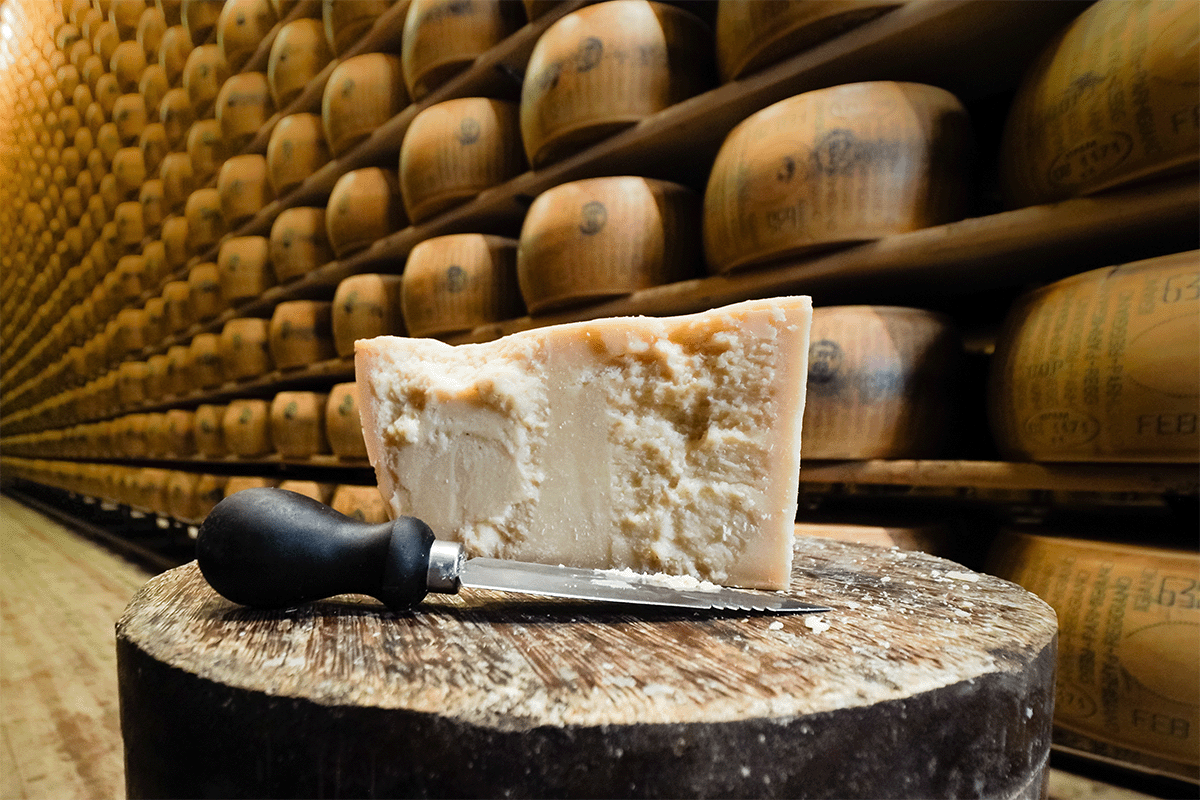
Superb food pairings
- Pecorino with fresh pear
- Parmesan and prosciutto
- Antipasti and salty snacks such as crisps, olives and nuts
- Creamy pasta dishes, such as Cacio e Pepe
- Seafood, salmon and sushi pair well with drier styles
 |
By Melanie Leyshon DipWSET, a wine and travel journalist. She writes for BBC Good Food, Olive and Sainsbury's magazine and as LadySips on Substack. |