BIGGER PICTURE
Did you know that a bakery in South East London recently offered branded condoms as part of its PR? ‘Merch is now big in the bakery world,’ said Oliver Costello of Toad Bakery in The Guardian. It’s certainly a unique approach: condoms are not exactly sustainable but there would have been a strategy behind it and it got people talking. While I haven’t heard of other restaurants going down that exact route, gifts like bags, T-shirts and other products are becoming commonplace in this sector.
SWAG (Stuff We All Get) or merch (merchandise) is nothing new. It’s a valuable method of marketing, used across most industries and sectors to great success, if the gifts are interesting and useful.
In recent years, eateries have gone further, adding merchandise to their permanent offering, as well as at events. Food outlets are not just about food any more. Thanks to a global pandemic, rising costs and a younger generation that’s moving away from pub culture, they are increasingly about community: a place to belong and be part of something.
Social media drives this behaviour. People share more than just food photos: they showcase the products they buy to signal early adoption. This naturally expands a brand’s visibility to new audiences, so it makes sense to harness the behaviour pattern to your advantage and create some sort of branded range.
JUMP ON BOARD
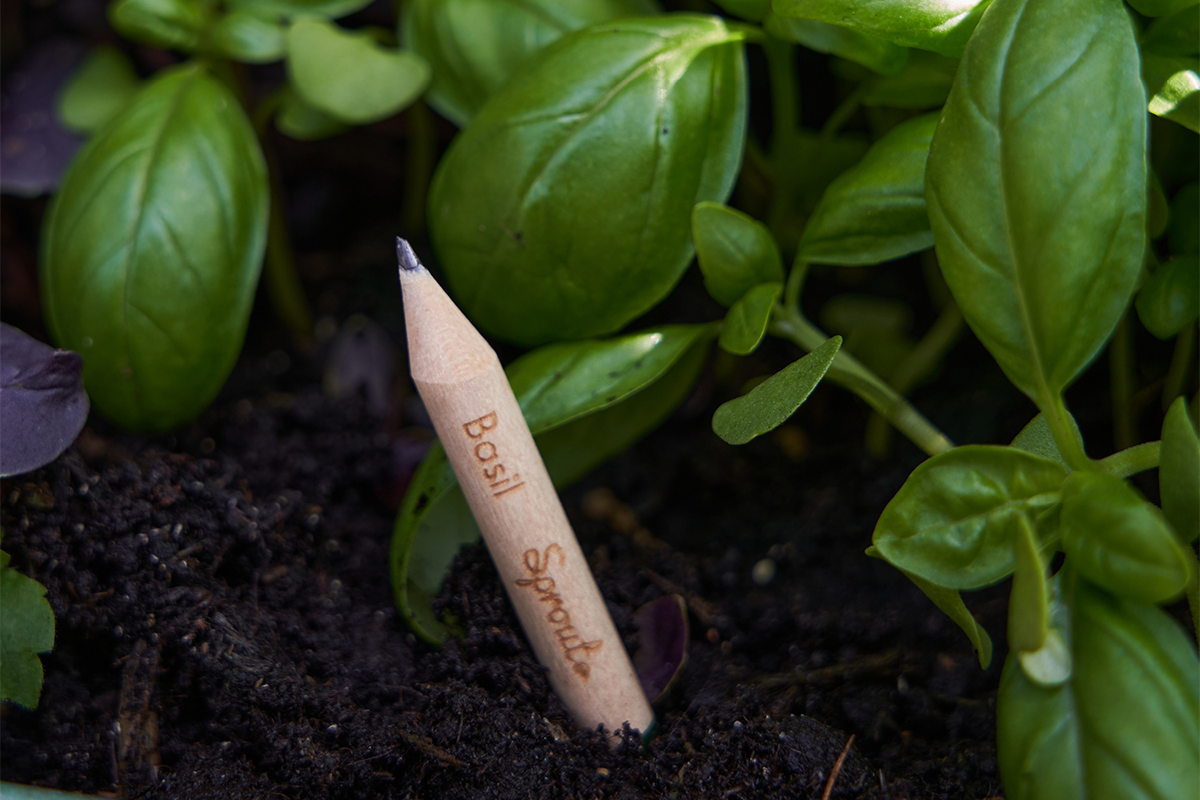
At SproutWorld, we’ve witnessed this trend over the past couple of years. We make wooden pencils that can be planted after use, growing into 17 different herbs, flowers, vegetables and even trees. They are used as merchandise in restaurants all over the world as customer and client gifts.
Promotional gifts work in hospitality. In the UK, the promotional merchandise industry in general reached a record £1.232 billion in sales in 2024, growing by 4.2% over the previous year despite wider economic challenges (Images Magazine). This steady growth shows businesses are still turning to branded merchandise to create lasting impact. And according to Square, 56.5% of breweries, 22.9% of cafés and 17% of bars are utilising promotional merchandise as of Q3 2025.
It’s a sensible approach and the stats speak for themselves:
- 90% of recipients remember a brand after receiving a branded promotional product (365Retail).
- 87% of people keep promotional products for more than a year, and 40% keep them for more than 10 years (SellersCommerce).
- 99% of people are willing to go out of their way to obtain a promotional product (PPAI).
But what restaurant brands really need to keep in mind is sustainability. Don’t make stuff for the sake of it – this might not make you friends long-term. People don’t want cheap plastic products that end up in the bin after an event, a meal or an experience. They want something meaningful that contributes and doesn’t harm the planet.
We know this, as we’ve sold 90 million of our plantable pencils worldwide. And in 2023, ‘eco-friendly’ was the most commonly searched theme by distributors in Sourcing City’s product database, highlighting a clear shift in the industry towards sustainable and environmentally responsible merchandise.
ART OF THE MATTER
The trend reflects rising expectations, with 46% of UK consumers saying that eco-conscious branded products improve their perception of a brand. We are not in the era of plastic tat any more! For your chain or independent restaurant to add genuine value through its merchandise, you need to consider your customers, your brand and the environment.
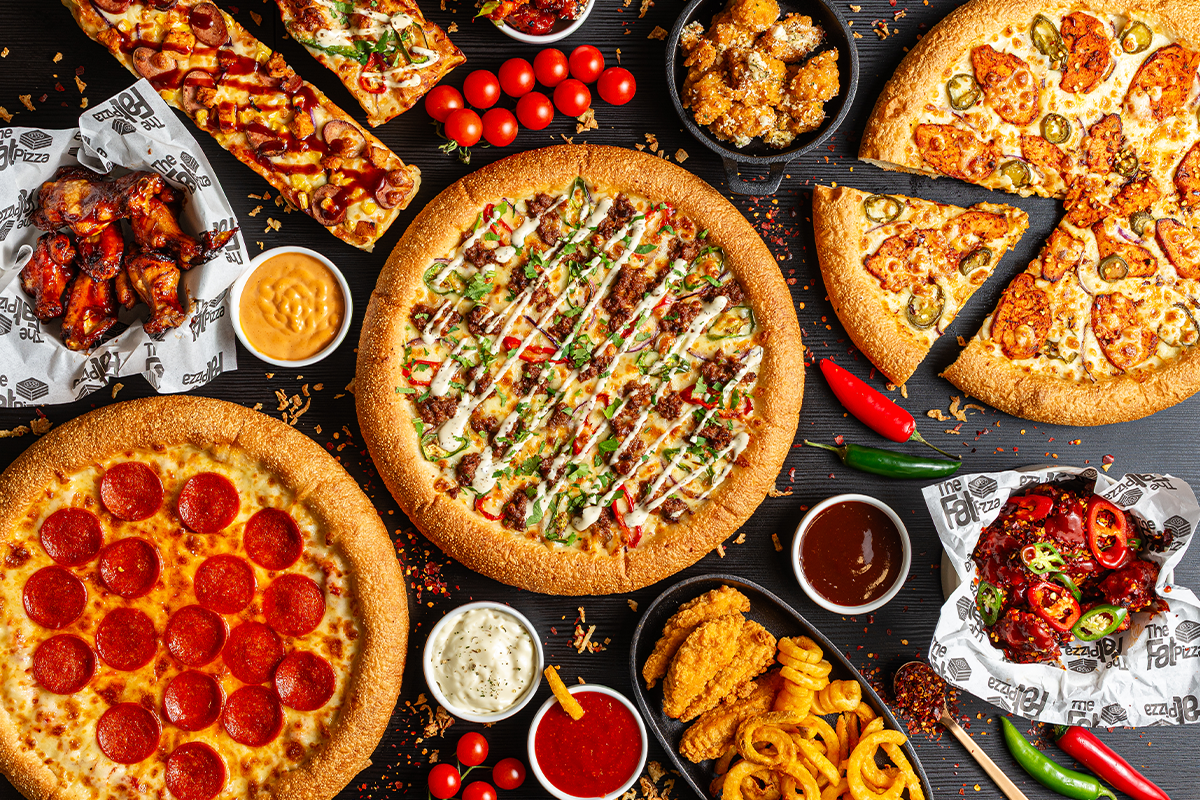
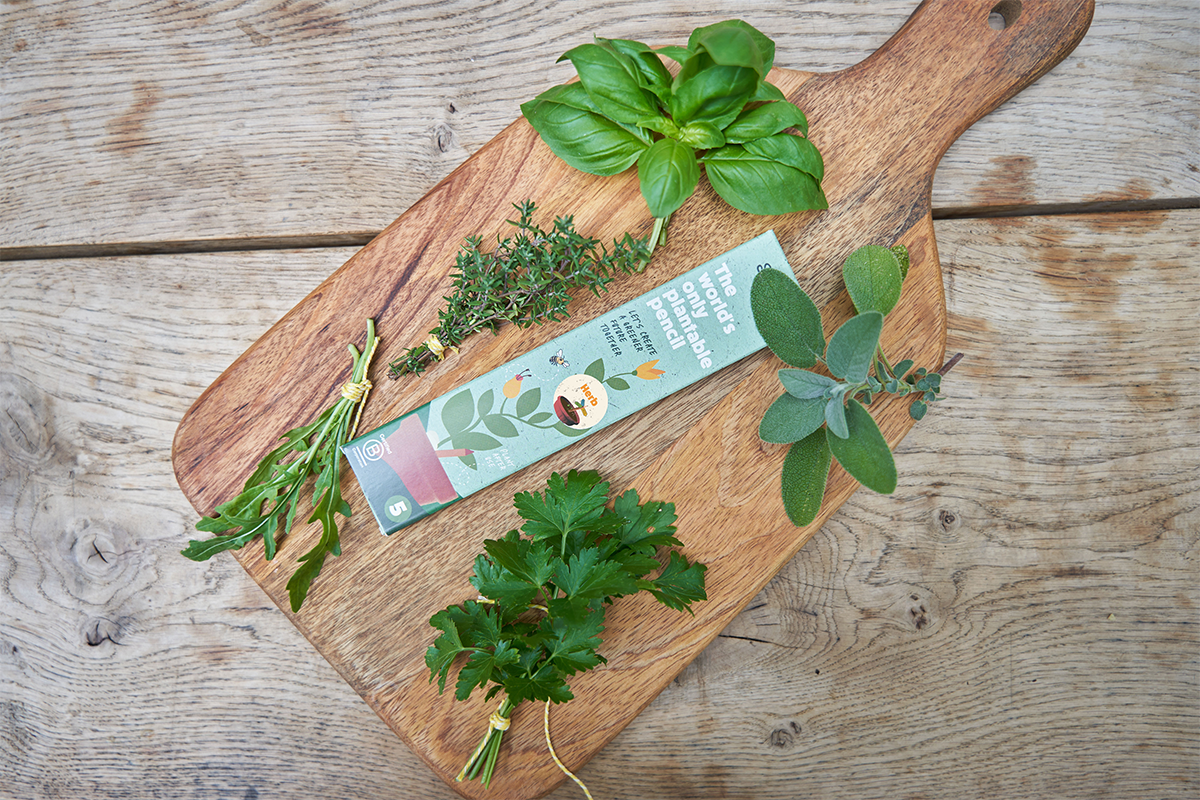
Any pizza and pasta eateries worth their salt will already provide some sort of art pack to keep younger customers entertained. At SproutWorld, we’ve gone one step further with our recently launched pizza pack of pencils; customers can draw or write with the pencil then, when it’s used, plant it and it will grow into herbs and ingredients that can be used to make a pizza – basil, oregano, arugula and cherry tomato – as the stub contains these seeds where the eraser would normally be.
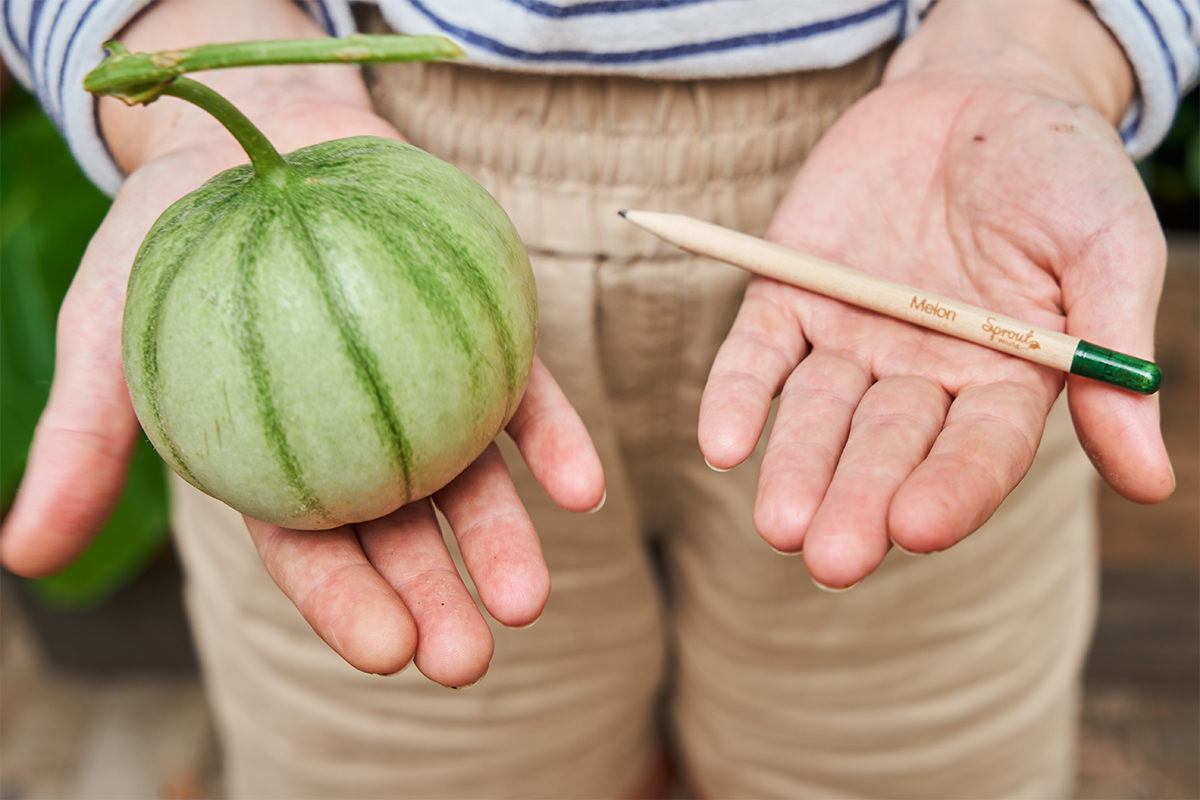
We also sell pencils that turn into melon, parsley, tomato, aubergine or chili, working with pizzerias, restaurants and online takeaway outlets for promotion purposes. People like to get something useful that they can grow after use and, as that plant grows, they will be reminded of the meal or experience they had.
Merchandise helps your brand live outside of your location, promotes you beyond restaurant hours and talks to customers you have yet to meet. That’s why it’s important to get it right. Gen Z and millennials actively notice materials, sourcing and longevity. Unsustainable swag feels outdated – and for restaurants and food brands especially, sustainability feels more authentic. You can’t talk about fresh ingredients and community care, then hand out irresponsible gifts.
Great food comes first but creative ways to spark conversation and build your business will continue to make all the difference.
Michael Stausholm is the founder and CEO of SproutWorld, the company behind the world’s only patented plantable pencils. Each one contains seeds in the tip so, after use, they will grow into a new life – herbs, vegetables, flowers and trees.